
Egg whites can add protein to oatmeal without changing the flavor, but they must be streamed into simmering oats while whisking. Greek yogurt goes in off the heat so it stays creamy instead of separating.
The ingredient amounts and timing are sized for 2 bowls. Ingredient brands, starting temperature, piece size and natural moisture can change the finish, so use the texture and doneness cues below along with the clock.
For another useful method in the same collection, see peanut butter oatmeal protein balls. You may also want oat bread recipe.
Why this recipe works
Egg whites are streamed slowly: Whisking prevents visible scrambled curds.
Yogurt is off heat: Gentle addition protects a smooth creamy texture.
Milk and water: The combination gives body without making the finished oats overly rich.
Ingredients
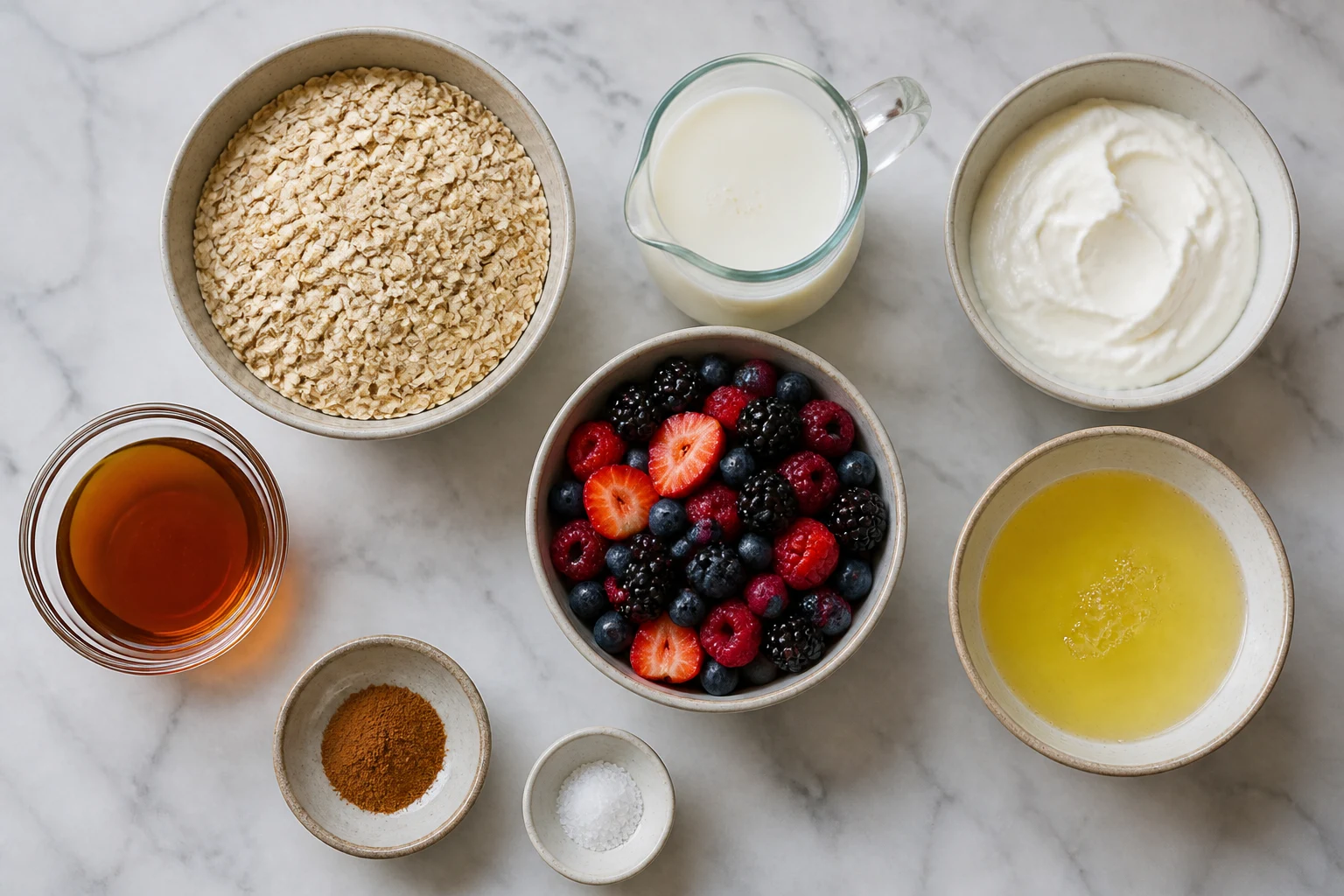
- 1 cup old-fashioned rolled oats
- 1 1/2 cups milk
- 1/2 cup water
- 1/2 cup liquid egg whites
- 1/2 cup plain Greek yogurt
- 1 tablespoon maple syrup
- 1/2 teaspoon cinnamon
- 1/4 teaspoon salt
- 1 cup berries, for serving
Ingredient notes
Oats: Old-fashioned oats stay creamy with visible texture.
Egg whites: Use pasteurized carton whites for easy measuring.
Greek yogurt: Plain 2% or full-fat folds in most smoothly.
How to make high protein oatmeal
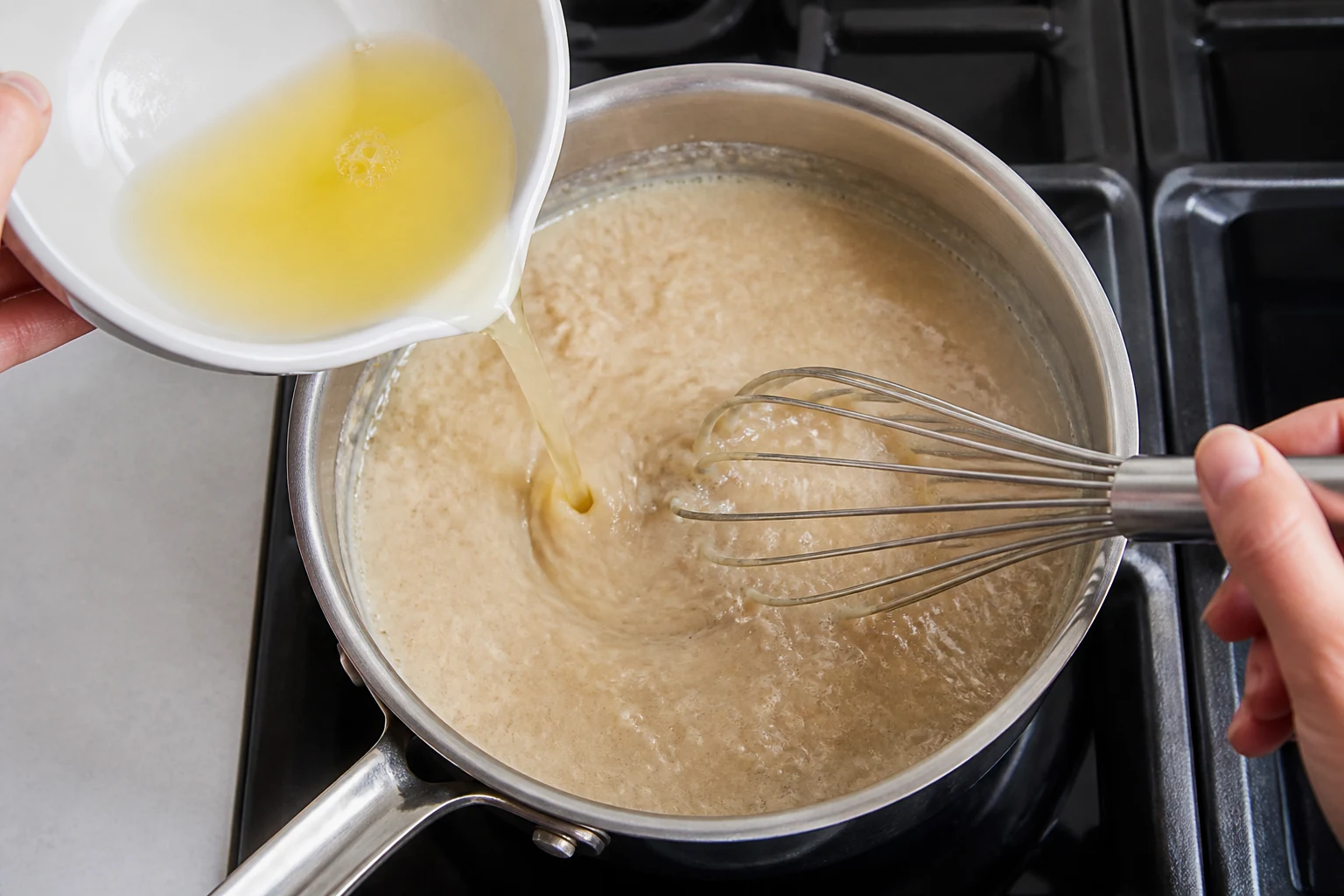
1. Simmer oats
Bring milk, water and salt to a gentle simmer; stir in oats and cinnamon.
2. Cook
Cook 5 minutes, stirring until the oats begin to thicken.
3. Add egg whites
Lower heat and slowly stream in egg whites while whisking constantly.
4. Finish cooking
Cook 2 to 3 minutes until creamy and no liquid egg remains.
5. Add yogurt
Remove from heat, stand 1 minute, then fold in Greek yogurt and maple syrup.
6. Serve
Divide into bowls and add berries.
Substitutions and variations
No egg
Omit egg whites and stir in cottage cheese blended smooth after cooking.
Dairy-free
Use soy milk and a thick plant yogurt; protein will differ.
Chocolate
Whisk in 1 tablespoon cocoa with the oats and add banana at serving.
Serving ideas
Add berries, chopped nuts or peanut butter. Keep crunchy toppings separate for meal prep.
For an oat breakfast you can bake into portions, cottage cheese and banana protein muffins uses a blended oat batter without protein powder.
Troubleshooting
| Problem | Likely cause | What to do |
|---|---|---|
| Egg curds appear | Whites were added quickly without whisking. | Blend briefly or whisk vigorously off heat; stream more slowly next time. |
| Oats are too thick | They stood too long. | Stir in warm milk a tablespoon at a time. |
| Yogurt separates | It was boiled. | Remove from heat before folding it in. |
| Flavor is flat | It needs salt or fruit acidity. | Add a pinch of salt and fresh berries before more sweetener. |
Storage, freezing and reheating
Refrigerator: Refrigerate up to 4 days.
Freezer: Freeze portions up to 2 months, though texture softens.
Reheating: Warm with a splash of milk, stirring often.
For general handling, the USDA food thermometer guidance is the outside reference used for this article. USDA lists 160°F for eggs and 165°F for casseroles and poultry; use a thermometer when safety certainty matters.
Frequently asked questions
Does it taste like eggs?
Not when the whites are streamed and fully incorporated.
Can I use quick oats?
Yes, with less cooking time and slightly less liquid.
Can I make it overnight?
Cook ahead and reheat; this is not a no-cook overnight-oats formula.
Recipe development note
The method for high protein oatmeal recipe was developed through culinary research and editorial review. The times are a practical range, not a claim that every appliance, ingredient brand or batch was personally tested in one kitchen.
Nutrition is an estimate per serving and varies with brands, trimming, optional ingredients and serving size. The accompanying visuals are AI-assisted food-editorial images, not photographs of a kitchen test.
Printable recipe card
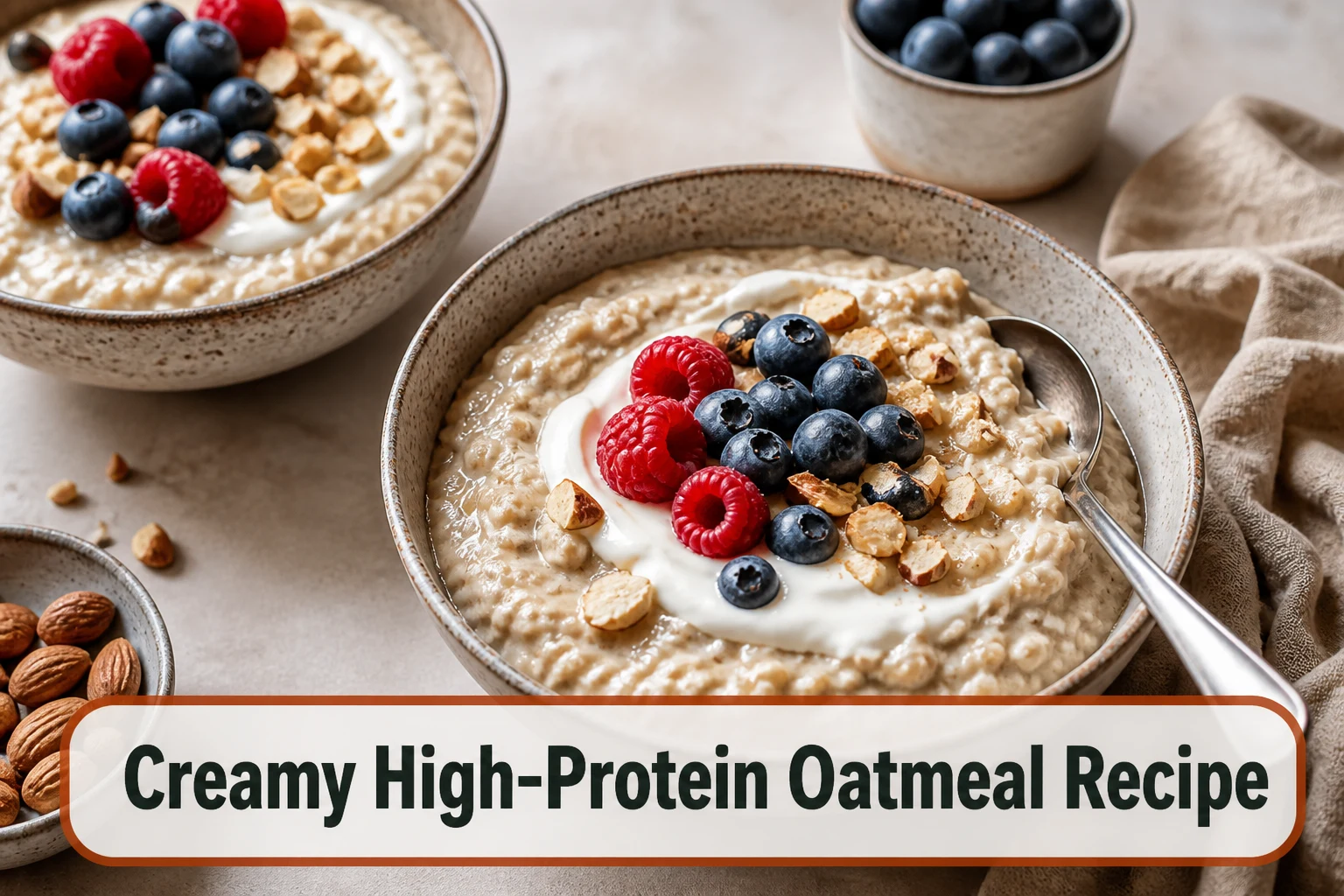
Creamy High-Protein Oatmeal Recipe
Ingredients
Equipment
Method
- Bring milk, water and salt to a gentle simmer; stir in oats and cinnamon.
- Cook 5 minutes, stirring until the oats begin to thicken.
- Lower heat and slowly stream in egg whites while whisking constantly.
- Cook 2 to 3 minutes until creamy and no liquid egg remains.
- Remove from heat, stand 1 minute, then fold in Greek yogurt and maple syrup.
- Divide into bowls and add berries.
Notes
- Read relevant ingredient labels and the manual for any appliance used.
- Begin checking at the early end of the time range.
- USDA lists 160°F for eggs and 165°F for casseroles and poultry; use a thermometer when safety certainty matters.
- This recipe was developed through culinary research and editorial review.