
Rice pudding thickens twice: first as starch releases during simmering, then again as it cools. Stopping while it still looks slightly loose prevents the chilled pudding from becoming a solid block.
The ingredient amounts and timing are sized for 6 servings. Ingredient brands, starting temperature, piece size and natural moisture can change the finish, so use the texture and doneness cues below along with the clock.
This recipe was developed through culinary research and editorial review. It is not represented as a personal kitchen test.
For another useful method in the same collection, see slow cooker chicken broccoli rice. You may also want high protein chia pudding.
Why this recipe works
Cooked rice: It shortens the method and makes leftover rice useful.
Gentle simmer: Low heat releases starch without scorching the milk.
Final milk: It restores creaminess just before the pudding cools and thickens.
The method is designed around observable cues rather than one exact clock time. Begin checking at the early end of the range, then note any small adjustment that gives you the best result next time.
Ingredients
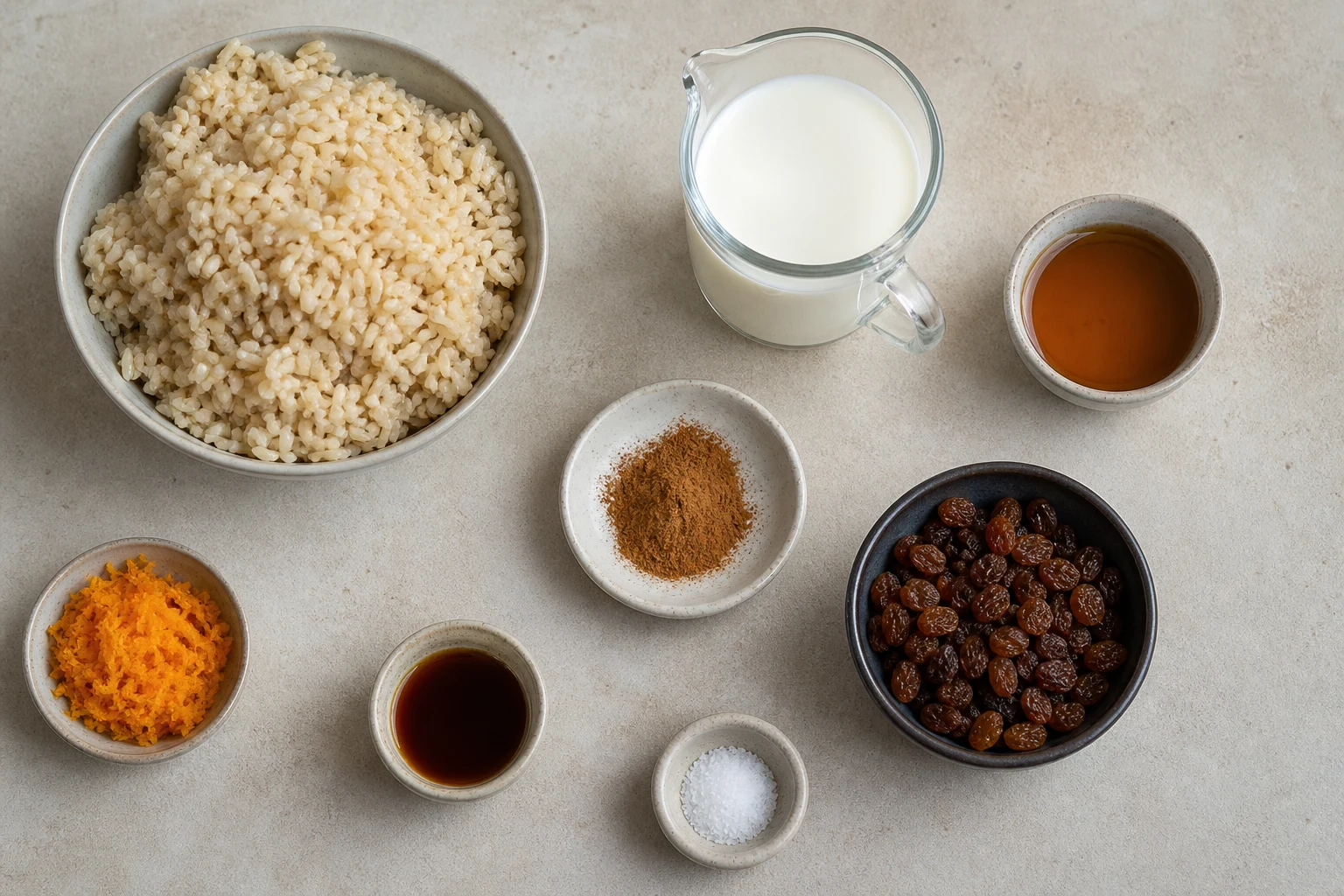
- 3 cups cooked brown rice, cooled
- 3 cups milk, divided
- 1/3 cup maple syrup
- 1 teaspoon ground cinnamon
- 1 teaspoon vanilla extract
- 1/4 teaspoon fine salt
- 1/3 cup raisins, optional
- 1 teaspoon orange zest, optional
Ingredient notes
Rice: Brown rice adds a nutty texture; white rice makes a smoother pudding.
Milk: Whole or 2% milk is creamiest; soy milk is the closest dairy-free alternative.
Sweetener: Maple syrup adds flavor, but honey also works off heat.
Measure the first batch as written. Once you know how the recipe behaves with your ingredients and equipment, change one variable at a time so you can tell which adjustment improved it.
How to make healthy rice pudding
1. Combine
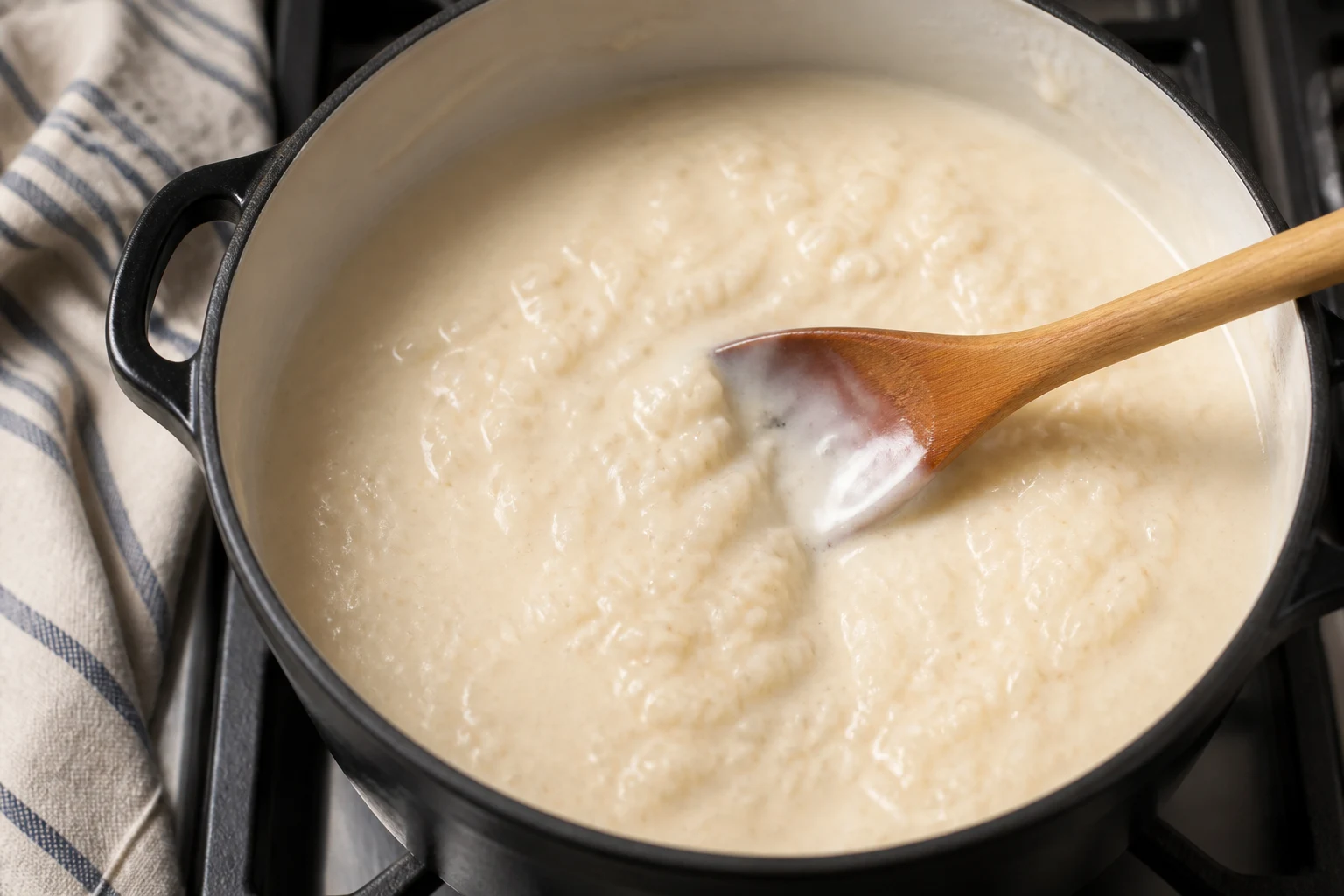
Add rice, 2 1/2 cups milk, maple, cinnamon and salt to a heavy saucepan.
2. Simmer
Bring to a gentle simmer over medium-low, stirring often.
3. Thicken
Cook 25 to 35 minutes until creamy but still loose enough to fall from the spoon.
4. Finish
Stir in remaining milk, vanilla and optional raisins or zest.
5. Cool safely
Divide into shallow containers and cool briefly before prompt refrigeration.
6. Serve
Serve warm or chilled, adding milk if it becomes too thick.
Quick timing and doneness guide
| Stage | What to look for | What to do |
|---|---|---|
| Before you start | It shortens the method and makes leftover rice useful. | Measure and prepare everything before the main cooking or mixing step |
| First check | Stir in remaining milk, vanilla and optional raisins or zest. | Check texture or doneness at the early end of the stated range |
| Finished | Serve warm or chilled, adding milk if it becomes too thick. | Stop when the described finish is reached instead of chasing one exact clock time |
| If it needs adjustment | Simmer longer with extra milk. | Make the smallest useful adjustment, then check again |
Use this table as a decision guide. Follow ingredient labels and applicable food-safety guidance, and use a food thermometer whenever a safe internal temperature matters.
Substitutions and variations
White rice
Use the same cooked volume and begin checking 5 minutes earlier.
Coconut
Use one can light coconut milk plus enough milk to total 3 cups.
No raisins
Use diced apple cooked with the rice or leave fruit out.
Change only one major component in your first variation. Moisture, sweetness, structure and cooking time affect one another, so a single change is easier to evaluate and repeat.
Serving ideas
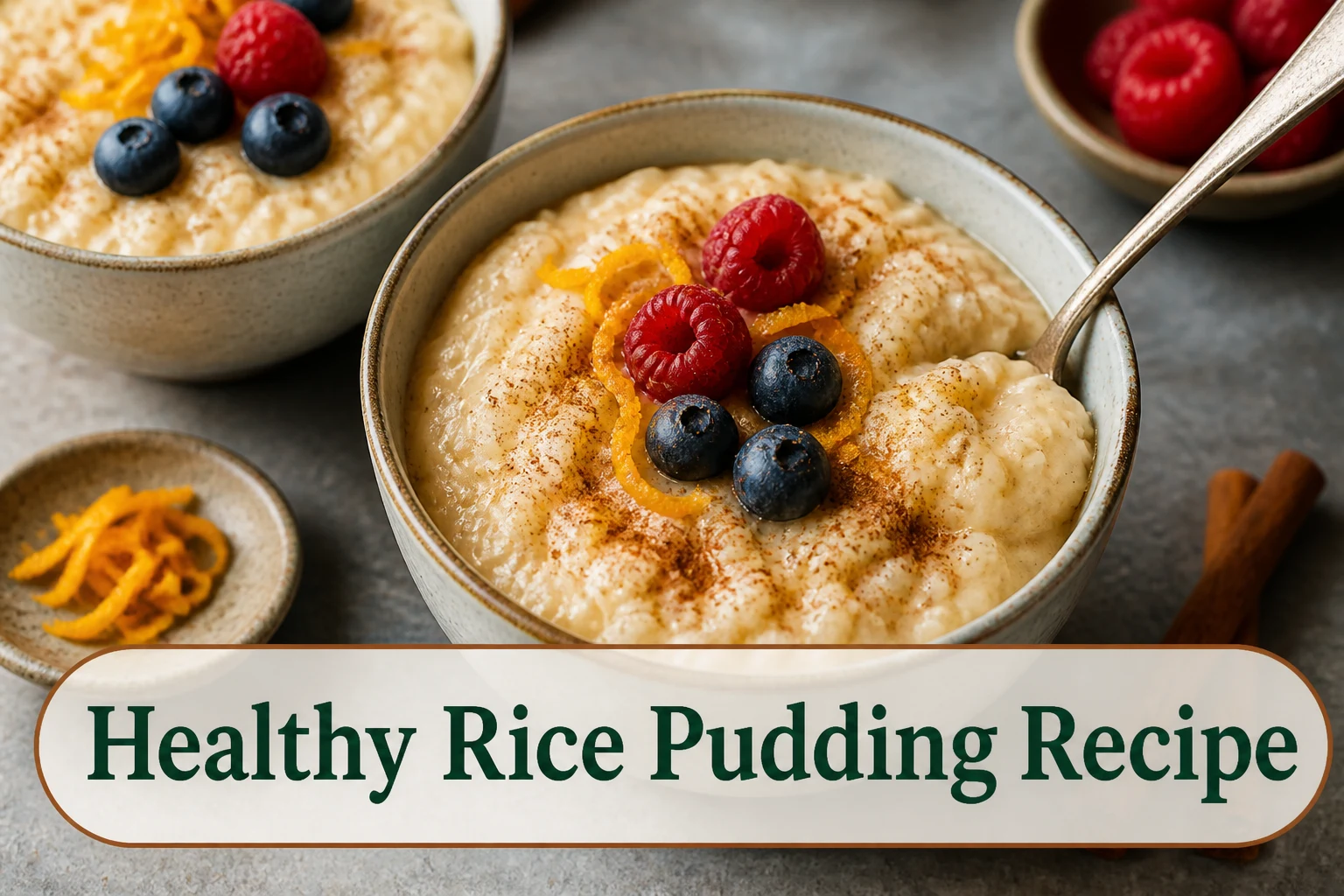
Top with berries, toasted almonds or extra cinnamon. Serve in modest bowls because the pudding continues to feel richer as it cools.
Troubleshooting
Pudding is too thick
Likely cause: It cooled and starch firmed.
Fix: Stir in milk a tablespoon at a time.
It is thin
Likely cause: It did not simmer long enough.
Fix: Return to low heat and stir until the spoon leaves a trail.
Milk scorches
Likely cause: Heat was high or pot thin.
Fix: Use a heavy pan and stir from the corners.
Rice is hard
Likely cause: Cooked rice was dry.
Fix: Simmer longer with extra milk.
Storage, freezing and reheating
Refrigerator: Refrigerate up to 4 days.
Freezer: Freezing is possible for 1 month but can make rice grainy.
Reheating: Warm gently with extra milk, stirring often.
For general handling, the USDA leftovers and food-safety guidance is the outside reference used for this article. USDA recommends refrigerating perishable leftovers promptly and reheating leftovers safely.
Frequently asked questions
Can I use leftover rice?
Yes, if it was cooled and stored safely.
Why is it loose when hot?
It thickens substantially as starch cools.
Can I make it dairy-free?
Use soy or coconut milk and adjust sweetness to taste.
Recipe development note
The method for healthy rice pudding recipe was developed through culinary research and editorial review. The times are a practical range, not a claim that every appliance, ingredient brand or batch was personally tested in one kitchen.
Nutrition is an estimate per serving and varies with brands, trimming, optional ingredients and serving size. The accompanying visuals are AI-assisted food-editorial images, not photographs of a kitchen test.
Printable recipe card
Healthy Rice Pudding Recipe
Ingredients
Equipment
Method
- Add rice, 2 1/2 cups milk, maple, cinnamon and salt to a heavy saucepan.
- Bring to a gentle simmer over medium-low, stirring often.
- Cook 25 to 35 minutes until creamy but still loose enough to fall from the spoon.
- Stir in remaining milk, vanilla and optional raisins or zest.
- Divide into shallow containers and cool briefly before prompt refrigeration.
- Serve warm or chilled, adding milk if it becomes too thick.
Notes
- Read relevant ingredient labels and the manual for any appliance used.
- Begin checking at the early end of the time range.
- USDA recommends refrigerating perishable leftovers promptly and reheating leftovers safely.
- This recipe was developed through culinary research and editorial review.
This recipe was developed through culinary research and editorial review. Equipment, ingredient brands, starting temperature and batch size can change the timing; follow the method cues and applicable safety guidance.
Nutrition is an estimate per serving and varies with brands, optional ingredients and portion size.